

Choosing your wedding flowers is one of the loveliest parts of planning — but if you’re thinking about keeping them afterwards, it’s worth a conversation with your florist before you finalise your choices. Some flowers dry and last beautifully for decades. Others fade, brown, or lose their shape no matter how carefully they’re handled.
This guide is here to help you make informed choices. It covers the flowers that tend to do well, the ones that need a little more care, and a few honest things worth knowing before your wedding day.
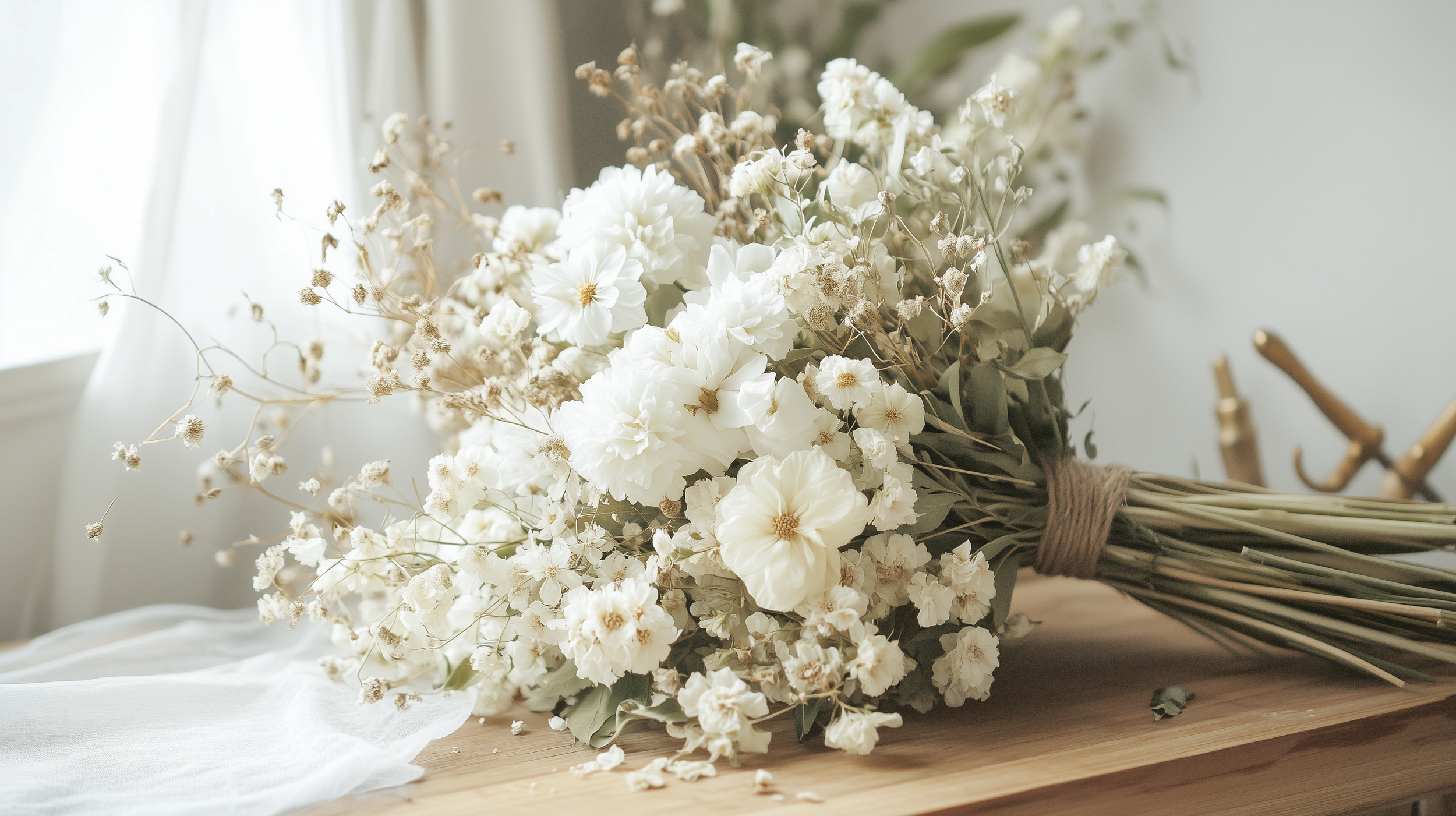
One thing applies to every variety mentioned here: flowers need to be properly dried before any kind of long-term keeping — whether that’s set in resin, pressed in a frame, or simply displayed. The good news is that most popular wedding flowers dry beautifully — and the ones that don't are worth knowing about before you visit your florist.
The Ones That Last Exceptionally Well
Roses
The gold standard. Roses dry beautifully, hold their three-dimensional form well, and press into stunning flat compositions too. Pinks, creams and whites give the most reliable results. Reds are good. Yellows can deepen to orange after drying — worth knowing if your colour palette is precise. The most versatile flower you can choose if longevity matters to you.
Best for: Classic, Romantic, Garden Party
Ranunculus
One of the most rewarding flowers to work with. The many-layered petals create incredible depth and texture when dried, and press individually into beautiful layered compositions. Pinks, whites and creams are particularly reliable. A fashionable choice in modern bridal bouquets.
Best for: Romantic, Modern, Garden Party
Lisianthus
Increasingly popular in UK wedding bouquets and for good reason. The ruffled, rose-like petals dry and hold well. Whites and purples both work beautifully, though very deep purple can shift slightly in colour after drying.
Best for: Classic, Romantic, Modern
Gypsophila (Baby’s Breath)
A wonderful supporting flower. The tiny white florets catch the light and fill space beautifully around larger blooms, and press easily into delicate, airy compositions. One of the most reliable flowers for keeping — whites hold exceptionally well, drying to a warm ivory.
Best for: Classic, Romantic, Rustic, Bohemian
Lavender
One of the most stable flowers you can choose. The purple holds exceptionally well — in resin, pressed, or simply air-dried and displayed — and it carries that unmistakable association with English summer weddings. Surrey even has its own lavender farms, which come into bloom from July.
Best for: Rustic, Bohemian, Garden Party
The Ones That Work Well — With a Little Care
Peonies
Wildly popular in UK summer bouquets and absolutely worth including. The heads are large and need to be deconstructed — petals set in clusters or layers rather than whole. Pressed peony petals are particularly beautiful — translucent, almost ethereal. Pinks and whites give the best colour results. Peak season June to early July.
Best for: Romantic, Garden Party, Bohemian
Sweet Pea
Presses exceptionally well and the colours are lovely in flat compositions. Needs more careful handling if being set in resin — the delicate petals can brown if any moisture remains. Peak season May to July. Very popular in cottage-style and garden bouquets.
Best for: Rustic, Bohemian, Garden Party
Freesia
Presses cleanly with a beautiful translucent result, and individual florets are lovely in compositions. Whites and yellows are the most colour-stable. Purple and pink varieties can fade. Widely available year-round.
Best for: Classic, Romantic
Flowers That Need Extra Thought
Some flowers present challenges whichever method you choose. Tulips, for example, collapse when dried — the petals work better individually than whole. Sunflowers have large domed centres that are tricky to handle. Berries can turn black when dried. Succulents are water-dense and need very long drying times. None of these are impossible — but they need careful handling and it's worth knowing in advance.
An Honest Note on Colour
Dried flowers will always look a little different from fresh ones. Colours soften. Some deepen. Some fade. This isn’t a flaw — it’s simply what happens when a living flower is dried and kept. The result is often quieter and more muted than the original, with its own particular beauty.
Purple and blue varieties are the most unpredictable — cornflowers, scabious, nigella, anemones, and some lisianthus and freesia. They can shift or fade significantly after drying. They can still be beautiful, but it’s worth setting realistic expectations before your wedding rather than after.
If a specific colour is important to your vision, mention it to your florist early. The right advice upfront saves disappointment later.
For a more detailed flower-by-flower colour change guide, Smart Floral Art have put together a helpful reference at smartfloralart.co.uk
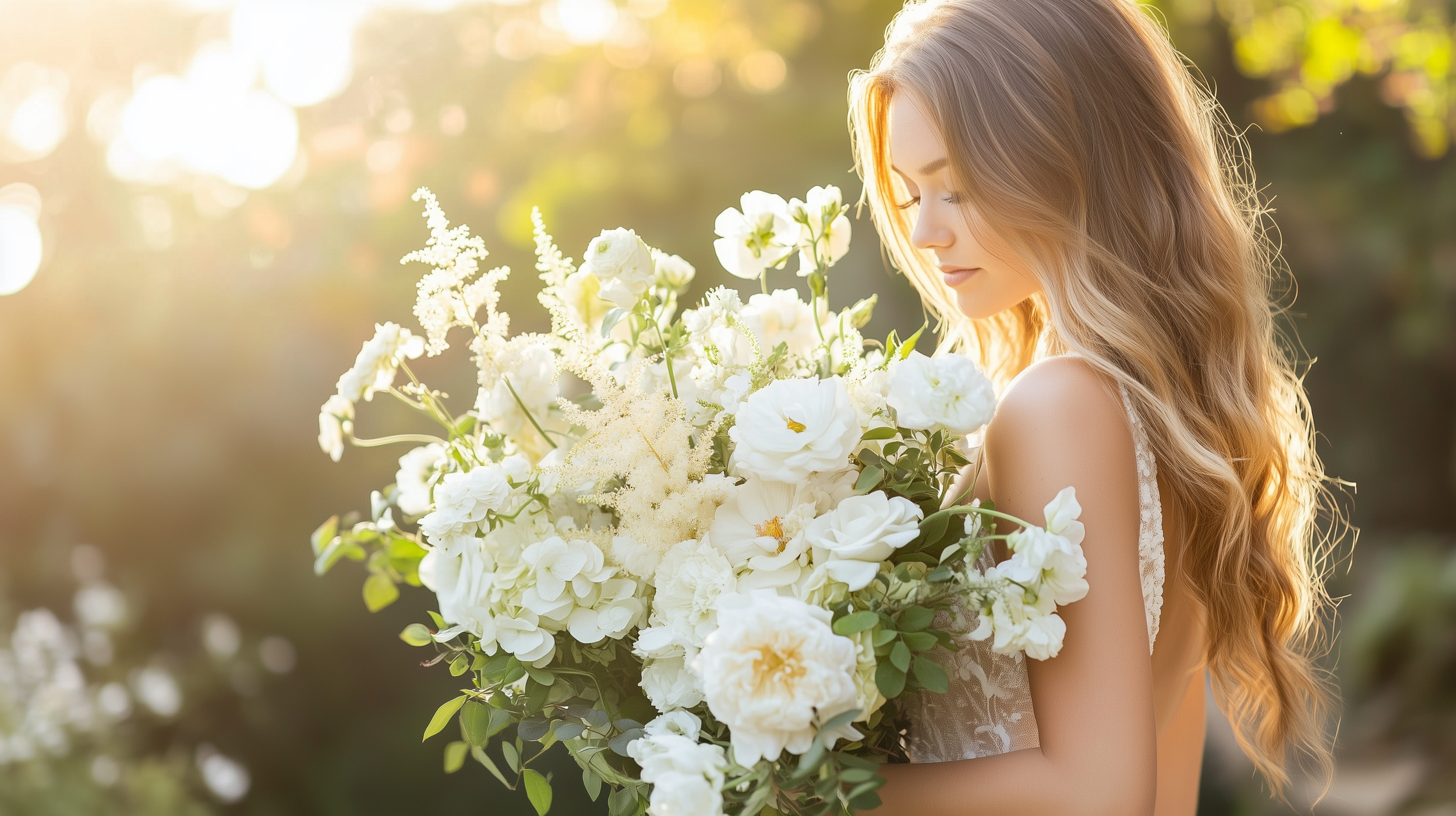
How to Keep Your Flowers Fresh Before They’re Dried
However you plan to keep your flowers after your wedding, getting them to that stage in good condition matters. Here’s what makes a real difference in those first hours and days:
• Change the water daily — bacteria builds up quickly and shortens the life of cut stems
• Cut the stems at an angle each time you change the water — this opens up more surface area for drinking
• Add flower food or conditioner to the water — your florist will often provide this
• Keep them away from direct sunlight and heat — a cool room is ideal
• Don’t let leaves sit below the waterline — they rot quickly and contaminate the water
• Keep them away from fruit — ethylene gas from ripening fruit speeds up wilting
The fresher and better-conditioned your flowers are when they arrive for drying, the better the final result.
What’s at Its Best — June to September
If you’re planning a summer or early autumn wedding, here are some of the flowers at their peak during the season — and the styles they suit best:
Peonies · Peak: June – early July · Romantic, Garden Party
Sweet Pea · Peak: June – July · Rustic, Bohemian, Garden Party
Lavender · Peak: July – August · Rustic, Bohemian, Garden Party
Cornflower · Peak: June – August · Bohemian, Rustic, Wildflower
Cosmos · Peak: July – September · Bohemian, Garden Party
Scabious · Peak: July – September · Bohemian, Rustic, Wildflower
Gypsophila · Peak: Year-round · Classic, Romantic, Rustic
Roses · Peak: Year-round · Classic, Romantic, Garden Party
Lisianthus · Peak: Year-round · Classic, Romantic, Modern
Ranunculus · Peak: Spring – early summer · Romantic, Modern, Garden Party
A Final Thought
The best bouquet for keeping is one chosen with love — not one chosen purely for how it dries. If a flower matters to you, it’s worth including. The right specialist will always work with what you have.
Whatever flowers you choose, the most important thing is that they mean something to you. 🌹❤️